Views: 0 Author: Site Editor Publish Time: 2025-10-31 Origin: Site


Are you redesigning your bathroom? Choosing the right tub faucet can transform your space. Wall mount tub faucets offer sleek elegance, while freestanding faucets add dramatic flair. In this post, you'll learn how to select the perfect faucet for your bathroom style and layout.
Design and Visual Appeal
Wall mount tub faucets offer a sleek, minimalist look. They are built into the wall, hiding plumbing lines for a clean finish. This design suits modern, Nordic, or contemporary bathrooms where simplicity and elegance matter. The faucet itself is often modest, blending seamlessly into the wall, creating a sense of unity in the space. Matte black, brushed steel, or warm metallic finishes enhance their modern appeal.
Installation Considerations
Installing a wall mount faucet requires running water lines inside the wall, making it ideal for new constructions or major renovations. If you want to add one to an existing bathroom, it might involve opening up the wall, rerouting plumbing, and extra costs. Proper placement is crucial—typically 4 to 6 inches above the tub rim—so water doesn’t splash outside. The installation process is more complex but results in a clutter-free, sophisticated look.
Ideal Bathroom Applications
These faucets excel in small bathrooms or spaces where a minimalist aesthetic is desired. They work well with rectangular, contemporary tubs against the wall, especially in modern apartments or condos. Wall-mounted faucets also make cleaning easier by eliminating bases and obstructions on the floor.
Recommended Aesthetic Pairings
Modern matte black or brushed steel finishes
Industrial fixtures for loft-style spaces
Warm metallic tones for luxury bathrooms
Design and Visual Appeal
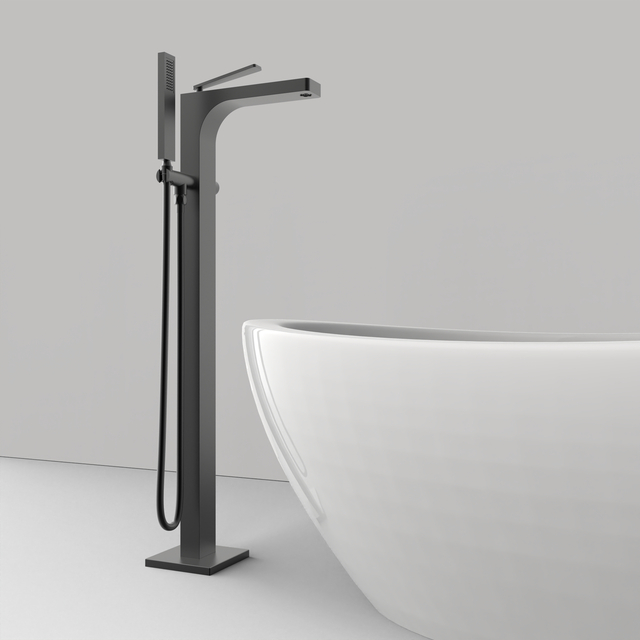
Freestanding faucets make a bold statement. Positioned next to the tub, they often serve as a focal point in large, luxurious bathrooms. These fixtures come in various finishes—antique brass, chrome, black—to match vintage, eclectic, or contemporary styles. Their sculptural form adds a dramatic touch, especially with deep soaking or clawfoot tubs.
Installation Considerations
These faucets connect to water supply lines from below the floor, requiring access to plumbing in the slab or a raised platform. They are versatile in placement, not tied to a wall, allowing for flexible positioning around the tub. Installation may involve rerouting floor plumbing, which can be more complex in older homes but straightforward in new builds.
Ideal Bathroom Applications
Perfect for spacious bathrooms with freestanding or clawfoot tubs. They work well in master suites or spa-like settings where design impact matters. They also support additional features like hand-held showers, enhancing functionality.
Recommended Aesthetic Pairings
Vintage or oil-rubbed finishes for clawfoot tubs
Modern stainless-steel for sculptural tubs
Factory black finishes for loft or industrial interiors
| Feature | Wall Mount Tub Faucet | Freestanding Tub Faucet |
|---|---|---|
| Visual Appeal | Sleek, minimal, modern | Dramatic, sculptural, focal point |
| Installation | Inside wall, complex | Floor plumbing, flexible placement |
| Space Needs | Space-saving, ideal for small rooms | Requires more space, suited for larger bathrooms |
| Style Compatibility | Modern, minimalist, industrial | Vintage, luxury, eclectic |
Choosing between these two types depends on your bathroom size, style preferences, and plumbing setup. Wall mount faucets suit compact, contemporary spaces, offering a clean look. Freestanding fixtures add drama, flexibility, and a luxurious feel—best in spacious bathrooms. Both can elevate your bathing experience when matched thoughtfully with your overall decor.
When it comes to space and layout, your choice of faucet can make a big difference. Wall mount tub faucets are known for their space-saving benefits. By mounting directly into the wall, they free up the area around the tub, making small bathrooms appear larger and less cluttered. This setup is especially useful in compact spaces where every inch counts. Plus, with no base or pedestal, cleaning the floor around the tub becomes much easier.
In contrast, freestanding faucets sit on the floor next to the tub. They are perfect for larger bathrooms with open layouts. While they add a dramatic visual element, they do require more space. Floor-mounted fixtures tend to take up additional room, which might make a small bathroom feel cramped. However, in spacious bathrooms, they provide flexibility in placement, allowing you to position the faucet wherever it looks best and works most conveniently.
Your bathroom's style plays a crucial role in choosing between wall mount and freestanding faucets. Wall mount faucets excel in modern, minimalist, and industrial designs. Their sleek, unobtrusive look creates a clean, uncluttered appearance. Matte black finishes or brushed steel complement contemporary spaces perfectly. These fixtures blend seamlessly into the wall, emphasizing simplicity and elegance.
Freestanding faucets, however, shine in vintage, classical, or luxurious settings. Their sculptural forms and bold presence act as focal points. They come in a variety of finishes—antique brass, chrome, or matte black—allowing for creative pairing with vintage clawfoot tubs or modern sculptural designs. Their visual impact adds character and personality to the bathroom, especially when paired with a large, freestanding or clawfoot tub.
Wall-mounted faucets offer subtle sophistication. Their minimal design suits bathrooms where understated elegance matters most. Because they are mounted on the wall, they can be placed at various heights and positions, giving a tailored look. This flexibility allows for better integration into different wall finishes and tile patterns.
Freestanding faucets, on the other hand, bring boldness and drama. They serve as statement pieces, especially in spacious bathrooms. Their sculptural shapes and finishes add a luxurious feel. Since they are not tied to the wall, they allow for creative room layouts, even placing the tub in the center of the room. Their design versatility supports a wide range of aesthetic themes, from vintage to ultra-modern.
| Feature | Wall Mount Tub Faucet | Freestanding Tub Faucet |
|---|---|---|
| Space & Layout | Space-saving, ideal for small bathrooms | Requires more space, suited for large bathrooms |
| Style Compatibility | Modern, minimalist, industrial | Vintage, luxury, eclectic |
| Visual Impact | Subtle, sleek, integrated | Bold, sculptural, focal point |
| Design Flexibility | Flexible placement on wall | Flexible placement around room |
Choosing between these two depends on your bathroom’s size, style, and personal preferences. Wall mount faucets work best in smaller, contemporary spaces where clean lines matter. Freestanding fixtures add personality and elegance in larger, more open bathrooms. Both can elevate your bathing experience when matched thoughtfully to your overall design.
Wall Mount Installation Challenges
Installing a wall mount tub faucet can be quite demanding. It requires plumbing lines to run inside the wall, so access behind the wall is necessary. This often means opening up the wall, rerouting pipes, and carefully placing the faucet at the correct height—usually 4 to 6 inches above the tub rim. For new constructions or major renovations, this is manageable, but adding a wall mount faucet to an existing bathroom without in-wall plumbing can be costly and time-consuming. Precision is key to avoid leaks and ensure the faucet is flush with the wall for a clean look.
Freestanding Installation Considerations
Freestanding faucets connect to water supply lines running through the floor. Installation requires access to plumbing beneath the bathroom floor, which can be tricky in older homes with concrete slabs or limited underfloor space. However, if the floor plumbing is already in place or a raised platform is an option, installation is more straightforward. Freestanding faucets offer flexibility in placement since they don't depend on wall mounting, but securing the base firmly to prevent wobbling is essential for long-term stability.
Pricing for Wall Mount Faucets
Wall mount faucets themselves usually cost between $150 and $700, depending on brand, finish, and features. However, the overall installation cost can rise significantly due to the need for wall modifications and plumbing rerouting, which might add $300 to $600 or more. The complexity of the job and whether it’s a new build or retrofit also influence final expenses.
Pricing for Freestanding Faucets
Freestanding faucets typically range from $200 to $1,000 installed. While the unit price is often higher than wall mounts, installation can be simpler if floor plumbing is accessible. The need to reinforce the floor or use a mounting plate to stabilize the faucet may add to costs but usually less than extensive wall work. Overall, freestanding faucets may have a higher upfront price but can be more cost-effective in certain layouts.
When it comes to cleaning, wall-mounted faucets generally have the advantage. Because they are mounted on the wall, they lack a base or pedestal that can trap dust, soap scum, and grime. Simply wiping the surface with a soft cloth and a mild cleaner keeps them looking shiny and new. Their minimal design means fewer crevices and exposed parts, making routine maintenance quicker and less cumbersome.
Freestanding faucets, however, tend to require a bit more attention. Their exposed base on the floor can collect dust, hair, and soap residue over time. Cleaning around the base may involve more effort, especially in the tight spaces between the faucet and the floor. Regular wiping is necessary to prevent buildup, and some owners choose to apply silicone gaskets or floor seals to reduce grime accumulation.
Durability depends heavily on the materials used and the finish applied. High-quality wall-mounted faucets are often made from solid brass or stainless steel, which resist corrosion and tarnish over years of use. Finishes like PVD or powder coating add extra protection against scratches and water spots, maintaining their appearance longer.
Freestanding faucets also benefit from durable materials like brass, zinc, or stainless steel. However, since they are exposed to more environmental elements—such as water splashes and cleaning chemicals—they may require more frequent maintenance to keep their finish intact. Choosing finishes like matte black, oil-rubbed bronze, or chrome can influence longevity. For example, matte finishes often hide fingerprints and water spots better, but they may be more prone to scratching if not cared for properly.
The core materials significantly impact a faucet’s lifespan. Brass remains a top choice because it's heavy, corrosion-resistant, and durable. Stainless steel offers similar advantages, often at a slightly higher cost but with excellent resistance to rust and impact.
Finish options also matter. Chrome is popular for its shiny look but can show water spots and fingerprints. Matte black, brushed nickel, and oil-rubbed bronze hide smudges better and tend to age gracefully. For both wall-mounted and freestanding faucets, selecting high-quality finishes with protective coatings prolongs their look and function.
Tip: Regular maintenance with gentle cleaning products extends the lifespan and preserves the aesthetic appeal of both wall-mounted and freestanding faucets, saving you money and effort over time.
Space considerations: Ideal for small or medium bathrooms where saving space is essential. Wall mount faucets free up the area around the tub, making the bathroom look more open and less cluttered. If your bathroom is tight, this type helps maximize available space.
Style preferences: Perfect for modern, minimalist, or industrial aesthetics. Their sleek, clean lines blend seamlessly into contemporary designs. Matte black, brushed steel, or warm metallic finishes enhance their modern appeal. If you prefer a subtle, unobtrusive look, wall mount faucets are a great choice.
Renovation scope: Best suited for new builds or major renovations. Installing a wall mount faucet often requires running water lines inside the wall, which can be complex and costly if added to an existing bathroom. If you’re remodeling, consider whether your wall space can accommodate the plumbing work.
Plumbing accessibility: Requires access behind the wall for installation and maintenance. If your bathroom’s plumbing is easily accessible or you’re planning a full renovation, this type is practical. For existing bathrooms with limited wall access, retrofitting may involve significant work.
Design flexibility: Offers more placement options. Because they sit on the floor, you can position them anywhere near the tub, even in the room’s center. This flexibility suits spacious bathrooms where the tub is a focal point.
Style impact: Creates a bold, dramatic statement. Freestanding faucets often serve as eye-catching features, especially in luxury or vintage-inspired bathrooms. They come in various finishes—antique brass, chrome, matte black—that complement diverse decor themes.
Plumbing requirements: Needs access to floor plumbing. Installing a freestanding faucet involves routing water lines through the floor, which can be straightforward in new construction but challenging in older homes with slab foundations. It’s essential to evaluate your existing plumbing before choosing this option.
Bathroom size: Best for larger, open-plan bathrooms. If you have ample space, a freestanding faucet can enhance the aesthetic and function without feeling cramped. In smaller bathrooms, it might make the space appear busier or crowded.
| Feature | Wall Mount Tub Faucet | Freestanding Tub Faucet |
|---|---|---|
| Space considerations | Space-saving, ideal for small/medium bathrooms | Requires more space, perfect for large bathrooms |
| Style preferences | Modern, minimalist, industrial | Vintage, luxurious, dramatic |
| Renovation scope | Suitable for new builds or major renovations | Fits well in new or extensively remodeled spaces with floor plumbing |
| Plumbing access | Behind-wall access needed | Floor access required for plumbing |
Choosing between wall mount and freestanding tub faucets depends on your bathroom's size, style, and plumbing setup. Wall mount faucets are ideal for small, modern spaces, offering a sleek look. Freestanding faucets add drama and flexibility, perfect for spacious bathrooms. Consider your personal style and bathroom layout to make the best choice. Kaiping Landon Plumbing offers high-quality faucets that enhance your bathroom's aesthetic and functionality, ensuring a satisfying and stylish bathing experience.
A: Wall mount tub faucets offer a sleek, minimalist look, save space, and simplify cleaning due to their wall-mounted design, making them ideal for modern and small bathrooms.
A: Freestanding tub faucets serve as dramatic focal points with their sculptural forms and diverse finishes, adding luxury and flexibility to spacious, open-plan bathrooms.
A: Yes, many freestanding bathtub faucets are compatible with hand showers, often featuring built-in diverter valves for added functionality.


