Views: 0 Author: Site Editor Publish Time: 2025-09-24 Origin: Site


Imagine stepping into a bathroom that perfectly balances style and functionality. At its heart lies the bathtub faucet, a crucial element that can transform your bathing experience. Choosing the right bathtub faucet is essential for both aesthetics and practicality. In this post, you'll learn about wall mounted and freestanding bathtub faucets, comparing their features, benefits, and installation considerations to help you make an informed decision.
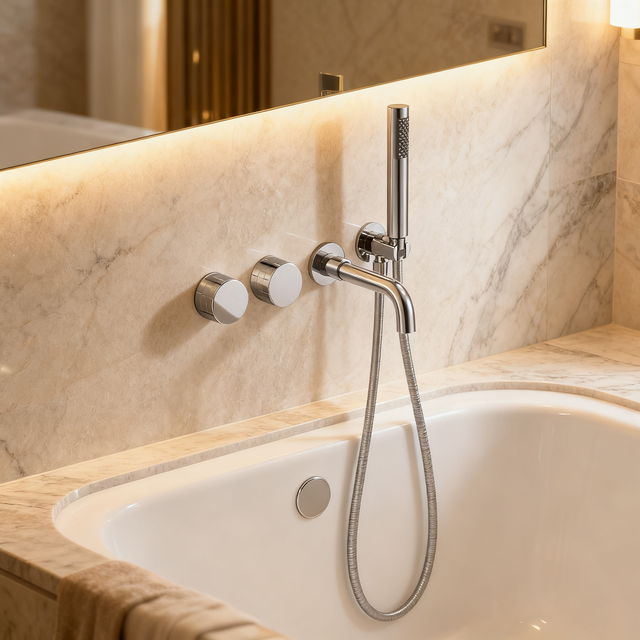
Wall mounted bathtub faucets attach directly to the bathroom wall above the tub. They connect to plumbing hidden behind the wall, often featuring a spout and handles for water control. These faucets come in various styles, from classic to modern, and usually include a diverter for a showerhead or hand shower. Their design keeps the tub rim clear, offering a sleek, uncluttered look.
Space-Saving: Mounting on the wall frees up tub edges for soap dishes or decor.
Clean Aesthetic: They create a minimalist, streamlined appearance that suits modern bathrooms.
Easy to Clean: With no faucet base on the tub, cleaning around the tub is simpler.
Flexible Height: Installation height can be customized for comfort and style.
Less Risk of Damage: Since faucets don’t sit on the tub, accidental bumps or water pooling won’t cause damage.
Complex Installation: Plumbing must be inside the wall, which can require professional work and wall modifications.
Limited Placement: You need a suitable wall near the tub, which may restrict bathroom layouts.
Potential for Leaks: If installed improperly, hidden plumbing can cause leaks inside the wall, leading to costly repairs.
Less Accessible for Repairs: Fixing or replacing parts often means opening the wall, increasing maintenance difficulty.
Wall mounted faucets blend well with many bathroom styles, from vintage to ultra-modern. They allow for various finishes like chrome, brushed nickel, or matte black, matching other fixtures. Their elevated position lets designers play with visual lines and symmetry, enhancing the overall bathroom look. For example, pairing a wall faucet with a freestanding tub creates a stunning focal point. However, careful planning is essential to ensure the faucet height and reach fit the tub size and user comfort.
Tip: When choosing a wall mounted faucet, measure the tub's edge to install the spout at a height and distance that prevents splashing and maximizes ease of use.

Freestanding bathtub faucets stand independently on the floor next to the tub. They connect to water lines that run through the floor rather than the wall. These faucets often feature a tall, elegant design with a spout and handles or a single lever. Many models include a hand shower attachment for added convenience. Freestanding faucets suit tubs placed away from walls, such as island or clawfoot tubs, and serve as a striking bathroom centerpiece.
Flexible Placement: They can be installed anywhere around the tub, ideal for freestanding tubs in the room’s center.
Visual Impact: Their sculptural design adds a luxurious, sophisticated look to bathrooms.
Easy Access for Repairs: Plumbing connections are more accessible than wall-mounted types, simplifying maintenance.
Versatility: Many include hand showers or adjustable spouts, enhancing functionality.
No Wall Modifications Needed: Installation doesn’t require opening walls, reducing construction complexity.
Space Requirements: They need floor space beside the tub, which can be limiting in small bathrooms.
Higher Cost: Typically more expensive than wall-mounted faucets due to design and installation needs.
Stability Concerns: Poor installation can lead to wobbling or instability, especially with heavier faucet models.
Cleaning Challenges: The base and plumbing exposed on the floor can collect dust and require frequent cleaning.
Potential Tripping Hazard: Their floor presence might obstruct movement or cause accidents in tight spaces.
Freestanding faucets often become the bathroom’s focal point. They come in various styles, from vintage brass to sleek modern chrome. Their height and shape can complement tub designs, such as tall, curved spouts for deep soaking tubs. Finishes like matte black or polished nickel add personality. Designers use them to create a spa-like atmosphere or highlight a luxurious centerpiece tub. However, it’s crucial to match faucet scale with tub size to maintain balance and avoid overwhelming the space.

Wall mounted faucets require plumbing inside the bathroom wall. This means you often need to open the wall during installation, which can be tricky and costly. Professionals usually handle this to avoid leaks or damage. The wall must be strong enough to support the faucet, and plumbing lines must be correctly positioned behind the wall.Freestanding faucets connect to water lines running through the floor. This setup avoids wall modifications but demands plumbing beneath the floor. Installation can be simpler in some cases, but the floor must support the faucet’s weight and plumbing. Securing the faucet firmly is crucial to prevent wobbling. Both require careful planning, but wall mounted faucets often involve more complex wall work, while freestanding faucets focus on floor stability.
Wall mounted faucets tend to be less expensive in terms of the fixture price itself. However, installation costs can rise due to wall plumbing work and potential repairs if leaks occur.Freestanding faucets usually cost more upfront because of their design and materials. Installation may also be pricier because of the need for floor plumbing and securing mechanisms. Over time, maintenance costs vary; wall mounted faucets could incur hidden repair expenses, while freestanding faucets might need occasional tightening or floor cleaning. Budgeting should consider both purchase and installation expenses.
Wall mounted faucets save tub edge space and fit well in bathrooms where the tub is against a wall. They work best in compact layouts where floor space is limited. However, you need a suitable wall near the tub for mounting.Freestanding faucets require floor space beside the tub, making them ideal for freestanding tubs placed away from walls. They can be a centerpiece but need enough room to avoid crowding or tripping hazards. Small bathrooms may struggle to accommodate them comfortably. The choice depends on your bathroom size, tub placement, and how you want to use the space.
Wall mounted faucets have hidden plumbing, which protects pipes from damage but makes leaks harder to detect and fix. Proper installation is key to avoid costly wall repairs. Cleaning is easier since the faucet doesn’t sit on the tub rim.Freestanding faucets expose plumbing on the floor, making repairs more accessible. However, their base can collect dust and dirt, requiring regular cleaning. Stability issues can arise if the faucet isn’t installed securely, leading to wear or damage over time. Both types need routine maintenance, but freestanding faucets offer easier access while wall mounted faucets provide a cleaner look.
When picking a bathtub faucet, several key factors come into play. These help ensure the faucet fits your bathroom’s style, budget, and plumbing setup while meeting your personal needs.
Your budget often guides the faucet choice. Wall mounted faucets generally cost less for the fixture but might incur higher installation fees due to wall plumbing work. Freestanding faucets tend to be pricier upfront because of their design and floor plumbing needs. Don’t forget to factor in maintenance costs over time. Setting a clear budget early helps narrow options and avoid surprises.
The faucet should complement your bathroom’s overall look. Wall mounted faucets suit modern, minimalist, or vintage styles, offering a clean, streamlined appearance. Freestanding faucets add a dramatic, luxurious touch, perfect for spa-like or classic bathrooms. Consider faucet finishes like chrome, brushed nickel, or matte black to match other fixtures and decor. The faucet’s scale and shape must harmonize with your tub and room size.
Check your home’s water pressure and plumbing layout. Wall mounted faucets require plumbing inside the wall, so existing pipes must be accessible or modifiable. Freestanding faucets need floor plumbing and a sturdy base to hold the fixture securely. Low water pressure might affect faucet performance, especially for models with hand showers or multiple outlets. Consulting a plumber can clarify what your system supports.
Think about how you use your bathtub. Do you prefer a hand shower for rinsing? Is easy cleaning a priority? Wall mounted faucets keep tub edges clear, making cleaning simpler. Freestanding faucets offer flexible placement and often include hand showers but need more floor space and upkeep. Also, consider accessibility—some users find wall mounted faucets easier to reach, while others like the freedom of freestanding models.
Before starting installation, gather these essential tools:
Adjustable wrench
Pipe wrench
Screwdrivers (flathead and Phillips)
Pipe cutter or hacksaw
Plumber’s tape (Teflon tape)
Level
Measuring tape
Drill with appropriate bits
Safety goggles and gloves
Silicone sealant or plumber’s putty
Bucket and towels for water spills
Having the right tools ensures a smooth installation and helps avoid damage.
For Wall Mounted Bathtub Faucets:
Turn off water supply.
Mark faucet location on wall, considering tub size and user comfort.
Cut access holes in the wall for plumbing if not pre-existing.
Install mounting bracket or valve body inside wall, securing it firmly.
Connect hot and cold water lines to the faucet valves.
Attach faucet spout and handles to the mounting bracket.
Seal around the faucet base with silicone to prevent water seepage.
Turn water back on and test for leaks and proper flow.
Patch and finish the wall if needed.
For Freestanding Bathtub Faucets:
Turn off water supply.
Position faucet base next to tub, ensuring enough floor space and plumbing access.
Install floor flange or mounting plate securely to the floor.
Connect water supply lines running through the floor to the faucet.
Attach faucet body to the mounting base.
Seal connections with plumber’s tape and tighten all fittings.
Test water flow and check for leaks.
Clean around the base and ensure stability.
Ignoring measurements: Incorrect faucet height or reach causes splashing or awkward use.
Skipping plumber’s tape: Leads to leaks at threaded connections.
Poor mounting: Loose faucets wobble or damage plumbing.
Not sealing properly: Water can seep behind walls or under floors, causing damage.
Over-tightening fittings: Can crack pipes or damage threads.
Neglecting water supply shutoff: Causes flooding during installation.
Failing to test thoroughly: Hidden leaks may cause costly repairs later.
Regularly clean faucet surfaces with mild soap and soft cloth to avoid buildup.
Check for leaks periodically around joints and handles.
Tighten loose fittings gently to maintain stability.
Avoid harsh chemicals that damage finishes.
Flush aerators and hand shower heads to remove mineral deposits.
Inspect wall or floor areas near the faucet for moisture signs.
Schedule professional plumbing checks especially for wall mounted faucets to detect hidden issues early.
Following these steps and tips ensures your bathtub faucet remains functional and attractive for years.
This guide compares wall mounted and freestanding bathtub faucets, highlighting their pros, cons, and design considerations. Wall mounted faucets offer a clean look and space-saving benefits, while freestanding faucets provide flexibility and visual impact. Choose based on your bathroom's layout and personal preferences. Consider Kaiping Landon Plumbing Co., Ltd for high-quality faucet solutions that enhance your bathroom's style and functionality. Their products offer unique benefits, ensuring a perfect fit for your needs.
A: A Wall Mounted Bathtub Faucet attaches to the bathroom wall above the tub, connecting to hidden plumbing, offering a sleek and uncluttered look.
A: A Freestanding Bathtub Faucet stands on the floor next to the tub, connecting to water lines through the floor, ideal for tubs away from walls.
A: Wall Mounted Bathtub Faucets save space and offer a clean aesthetic, while Freestanding Faucets provide flexibility and visual impact.
A: Wall Mounted Faucets are generally less expensive but have higher installation costs; Freestanding Faucets cost more upfront but may have simpler installation.